Most drivers in Indian Trail can tell you roughly when their last oil change was. Far fewer can say anything about their coolant, brake fluid, or transmission fluid, and that gap is where a lot of avoidable repairs start. Every fluid in a car has the same basic job, to protect moving parts, carry heat away, or transfer force, and every one of them wears out even when the car seems to be running fine.
Heat is the common enemy. Piedmont summers are hot and humid, stop and go traffic around Indian Trail and Matthews keeps air from moving through the engine bay, and short trips never fully warm fluids up to burn off moisture. All three patterns age fluids faster than easy highway miles do.
Engine oil: more than a mileage number
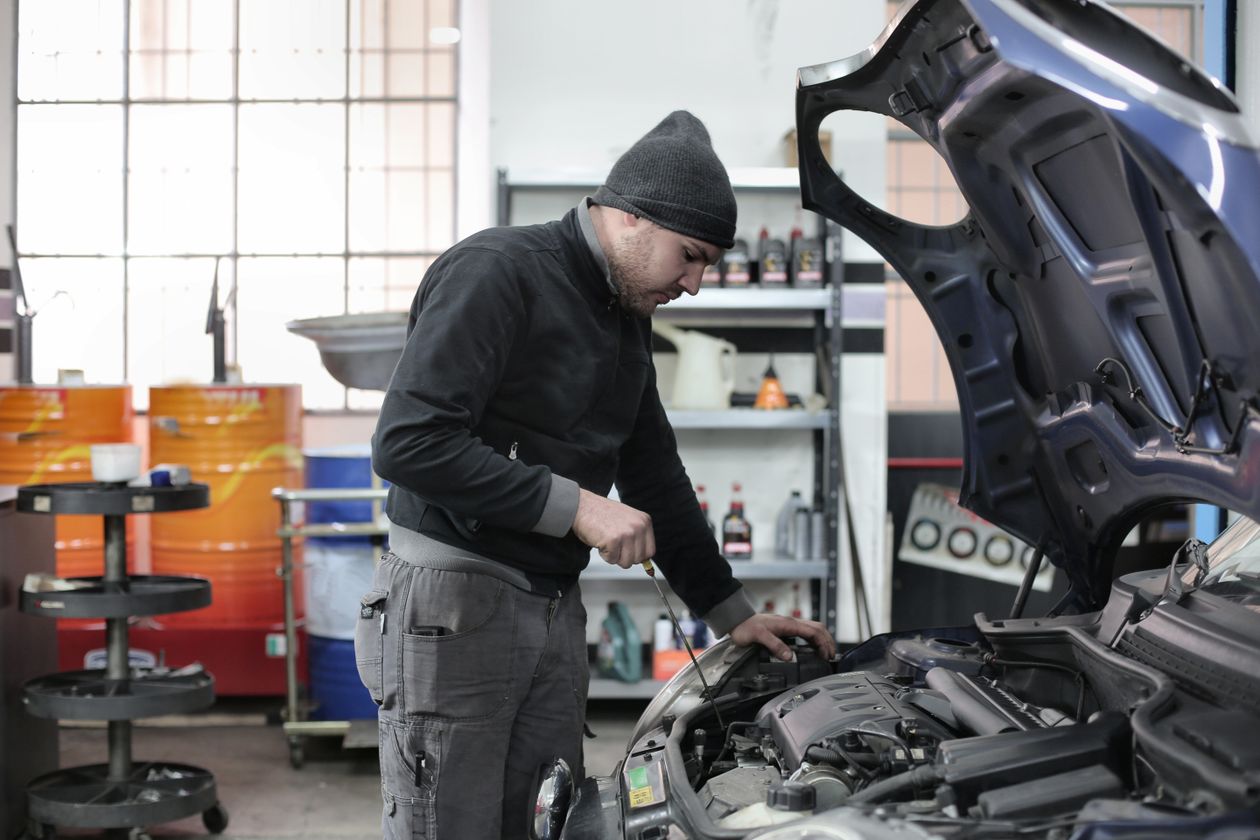
Oil lubricates, cools, and carries dirt to the filter. As it ages it thins, picks up fuel and moisture from short trips, and loses the additives that keep internal surfaces clean. Follow the interval in your owner manual for your driving pattern, not the longest interval printed on the bottle. Cars used mostly for school runs, grocery trips, and short commutes qualify as severe service in most manuals, even though the driving feels easy.
Checking the level between changes still matters. A car that uses a small amount of oil between services is common as engines age, and catching a low level early is the cheapest protection an engine can get.
Coolant, brake fluid, and transmission fluid
Coolant does more than prevent freezing. Its corrosion inhibitors protect the radiator, water pump, and internal passages, and they deplete with time even at low mileage. Old coolant lets corrosion build inside the cooling system, which shows up later as overheating on the first truly hot day of summer. Brake fluid absorbs moisture from the air through the reservoir and lines. Wet brake fluid boils at a lower temperature and corrodes internal brake parts from the inside, which is why a soft pedal sometimes traces back to fluid, not pads.
Transmission fluid cools and lubricates while providing the hydraulic pressure that makes shifts happen. Burnt, dark fluid and delayed or harsh shifts are signs it has been in service too long. A fluid exchange at the right interval is routine maintenance; a transmission rebuild after years of neglect is not.
A simple way to keep track
Keep one note, on paper or in your phone, with the date and mileage of each fluid service. Shops can test some fluids and inspect others, but a written history prevents both missed services and paying twice for the same one. When you buy a used car with no records, treating the fluids as unknown and starting fresh is the sensible baseline.
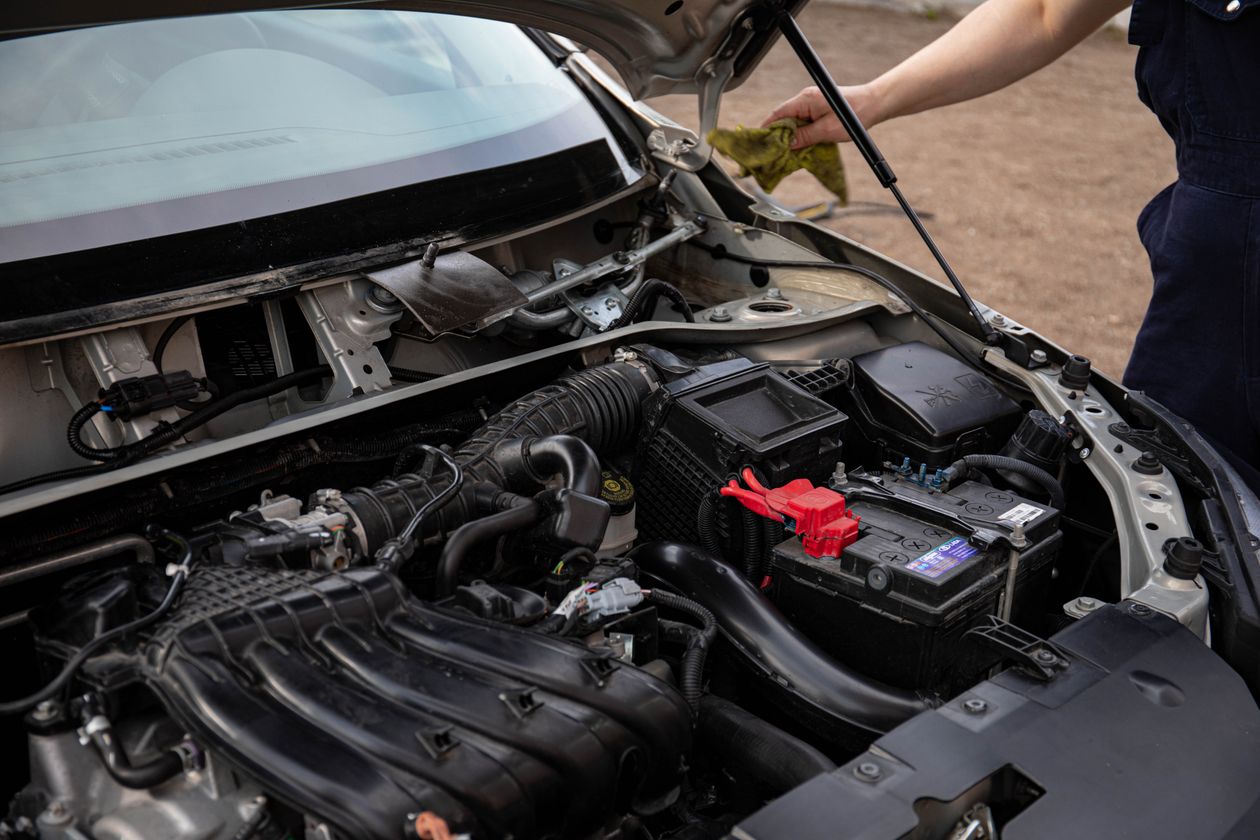
- Check the level. Park on level ground, let the engine cool, and check oil and coolant levels against the marks.
- Look at condition. Dark, gritty oil, rusty coolant, or dark brake fluid all point to service being due.
- Check the history. Compare dates and mileage in your records with the manual intervals for your driving pattern.
- Service what is due. Change or flush the fluids that are past interval before small wear turns into a repair.
Power steering, differentials, and the forgotten list
Beyond the big four fluids sit several smaller ones that age quietly. Power steering fluid darkens and picks up wear particles, and neglected fluid is hard on pumps and racks. Differential fluid in trucks and 4x4 vehicles takes real heat under load and towing, and transfer case fluid on four wheel drive vehicles follows a similar life. None of these needs frequent service, but none of them is lifetime either, no matter what the word in a brochure implies. Lifetime in manufacturer language usually means the expected life of the component under warranty, not the life you plan to get from the car.
A practical approach is an annual fluids review: once a year, ask for every fluid to be inspected and tested where testing exists, and service what fails on condition or interval. That single habit spreads cost evenly, prevents the five fluids due at once surprise, and gives you a paper trail that raises the car's value when you sell it, because the next owner can see the car was kept, not just repaired.
Common questions
How do I know if my brake fluid is bad?
Age and moisture content are the measures, not color alone. Fluid that has been in the car for several years, or that tests high for moisture or copper content, should be flushed even if the brakes feel normal.
Is synthetic oil worth using?
Synthetic oil handles heat and cold starts better and holds up longer between changes. For cars that do short trips or sit in summer traffic, that extra stability is a real benefit.
Can I just top off fluids instead of changing them?
Topping off fixes a level, not worn out fluid. Old fluid has lost its protective additives, so a full change is what restores protection.
Photos in this guide are representative stock images.
← All guides from Tek Custom Automotive← Back to Tek Custom Automotive